
Sailing Through Innovation: How Malta’s Ferry Network Is Redefining Island Travel
How Malta’s fast ferry network is redefining island mobility through innovation, sustainability, and digital transformation.
 La Redazione
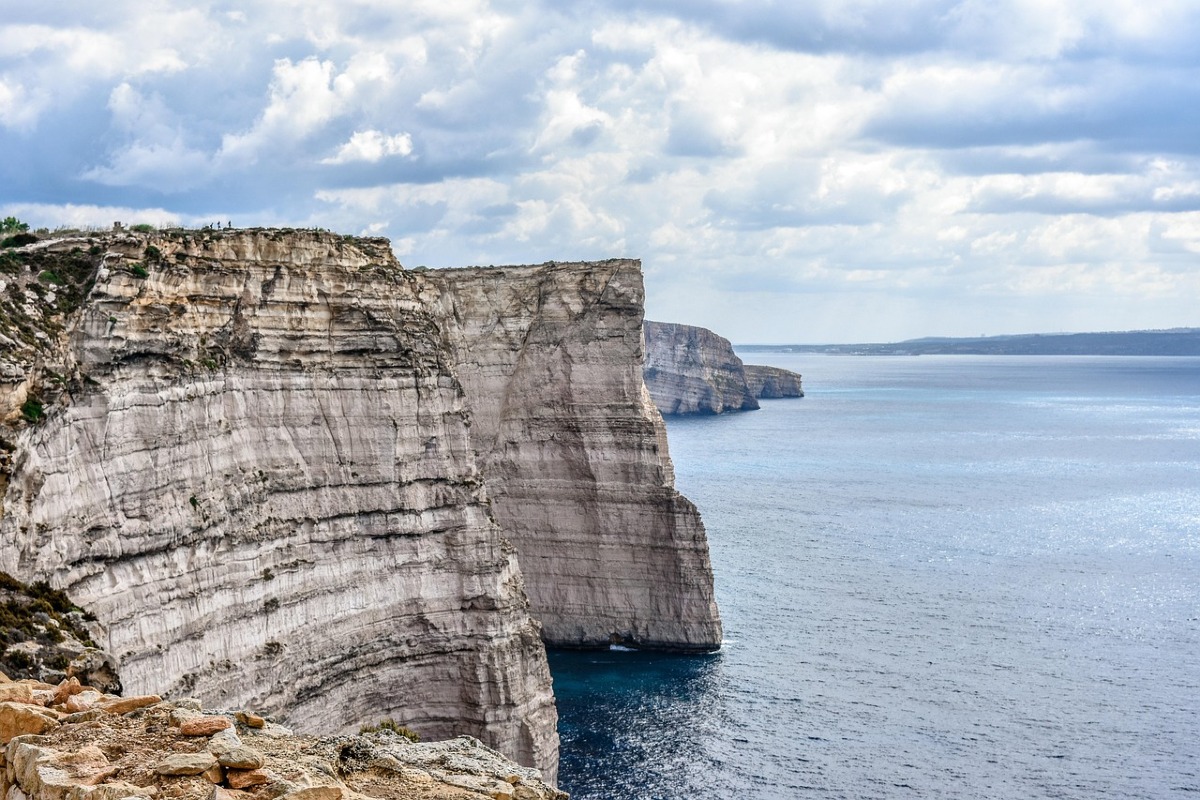
A New Era for Mediterranean Connectivity
Across Europe, efficient transport has long been the backbone of regional development. In the Mediterranean, where island connections are essential for commerce, tourism, and daily life, maritime routes play a crucial role. Malta, located strategically between Europe and North Africa, has been investing in smarter, faster, and more sustainable transport solutions to enhance mobility between its islands—Malta and Gozo.
The recent transformation of its ferry network reflects a broader trend seen across the continent: combining technological innovation with environmental awareness to create better travel experiences. From digital ticketing to energy-efficient vessels, Malta’s sea routes now blend tradition and modernity in ways that support both locals and visitors.
Connecting Malta and Gozo: A Journey of Speed and Comfort
For years, the connection between Malta and its sister island, Gozo, has been a lifeline for residents, commuters, and tourists alike. What once required careful planning and long wait times is now easier and faster thanks to the gozo fast ferry service. This modern route links the capital city of Valletta directly to Gozo in less than 45 minutes, offering travelers a smooth, scenic, and time-efficient alternative.
The ferry experience represents more than just convenience—it’s part of Malta’s move toward a digitally connected transport ecosystem. Passengers can book tickets online, check schedules in real time, and even track updates via mobile apps. For a country that thrives on tourism and mobility, these advancements are key to sustaining both economic growth and environmental responsibility.
The Technology Behind Modern Ferry Systems
Much like Northern Italy’s integration of smart public transport solutions, Malta’s maritime network is evolving through innovation. The gozo fast ferry operates with an emphasis on sustainability and digital efficiency, adopting systems that minimize emissions and enhance passenger comfort.
Key technological improvements include:
Energy-efficient engines that reduce fuel consumption and carbon emissions.
Online and mobile ticketing systems to streamline access and minimize paper use.
Real-time travel updates that keep passengers informed of weather or schedule changes.
Modern safety systems comparable to those found in larger commercial vessels.
This shift mirrors European transport priorities—building smarter, greener, and more integrated systems across all modes of travel.
Lessons from Europe’s Regional Transport Models
The North-East of Italy, particularly regions like Friuli-Venezia Giulia and Veneto, has long been a model for efficient regional mobility. With well-connected train routes, sustainable buses, and bike-sharing systems, these areas highlight the benefits of local innovation and investment in accessibility. Malta’s fast ferry system takes inspiration from such models, adapting them to a maritime context.
Feature | Italy’s Regional Transport | Malta’s Ferry System |
Main Focus | Inter-city rail and road | Inter-island sea travel |
Digital Tools | Smart ticketing and apps | Online booking and mobile passes |
Sustainability Efforts | Hybrid buses, electric trains | Low-emission ferries |
Passenger Experience | Seamless commuting | Scenic and efficient crossing |
Both regions share the same objective: making public transport not just functional, but enjoyable and sustainable.
Tourism, Sustainability, and Economic Growth
Tourism is a vital contributor to Malta’s economy, accounting for over 25% of its GDP. However, increased visitor numbers can strain traditional transport systems. By introducing efficient sea connections, Malta alleviates road congestion while providing a memorable experience for travelers. The gozo fast ferry, with its modern design and rapid transit time, allows for smoother movement between destinations, encouraging day trips and extended stays alike.
This shift toward maritime mobility also reflects the growing importance of eco-tourism. As travelers increasingly prioritize sustainability, transport options that combine comfort with low environmental impact are becoming the new standard. Malta’s initiative demonstrates how smaller nations can take significant steps toward greener tourism without compromising efficiency or accessibility.
Exploring Gozo: A Blend of Nature and Heritage
Once travelers arrive on Gozo, they are greeted by an island that feels both timeless and rejuvenating. Known for its tranquil atmosphere, ancient temples, and coastal charm, Gozo offers a contrast to the busier streets of Valletta. The short ferry ride connects two worlds: Malta’s urban energy and Gozo’s serene countryside.
For cultural travelers, Gozo’s attractions include:
The Citadel in Victoria, a fortified city with panoramic views and centuries of history.
Ramla Bay, famous for its golden sands and clear blue waters.
The Ġgantija Temples, one of the oldest freestanding structures in the world.
Dwejra Bay, a natural wonder known for its unique rock formations and diving spots.
Each of these sites is easily accessible once on the island, making the ferry connection a gateway to discovery.
Comparing Regional Maritime Networks
To better understand how Malta’s ferry service stands out, it’s useful to look at how other European countries are managing similar transport needs:
Country | Key Maritime Route | Unique Feature | Average Crossing Time |
Italy | Naples to Capri | Frequent departures & scenic views | 50 minutes |
Greece | Athens to Aegina | High passenger capacity | 40 minutes |
Spain | Ibiza to Formentera | Eco-efficient catamarans | 30 minutes |
Malta | Valletta to Gozo | Tech-driven, fast service | 45 minutes |
Malta’s approach is particularly impressive given its smaller scale, proving that innovation in transport isn’t limited to large nations.
Preserving Tradition While Moving Forward
Despite its technological advances, Malta’s ferry network remains deeply connected to its maritime heritage. For centuries, ferries and fishing boats were lifelines for trade and community interaction. Today, while the vessels are faster and smarter, they still carry that same spirit of connection—between islands, cultures, and people.
In a broader sense, this evolution reflects Europe’s ongoing effort to balance tradition with innovation. It’s about moving forward responsibly, ensuring that progress benefits both the economy and the environment.
Wrapping Up
Malta’s modern ferry system is more than a mode of transportation—it’s a symbol of how technology and tradition can coexist. The gozo fast ferry represents the island nation’s commitment to efficiency, sustainability, and accessibility, transforming a simple sea crossing into a cornerstone of progress. Just as Italy’s northern regions continue to lead in regional innovation, Malta’s maritime advancements show that even the smallest territories can make big waves in modern mobility.